
Local SEO Checklist for Small Businesses
In today's digital-first world, local search engine optimization (SEO) is critical for small businesses aiming to attract more local customers. With a well-structured local SEO strategy, you can boost your online visibility and draw more foot traffic to your location. This checklist will guide you through the essential steps for optimizing your local SEO efforts.
Table of Contents
- Claim and Optimize Your Google Business Profile
- Conduct Local Keyword Research
- On-Page SEO Optimizations
- Get Listed on Online Directories
- Encourage Customer Reviews and Ratings
- Utilize Social Media for Local Engagement
- Local Link Building Strategies
- Monitor and Analyze Your Local SEO Efforts
Claim and Optimize Your Google Business Profile
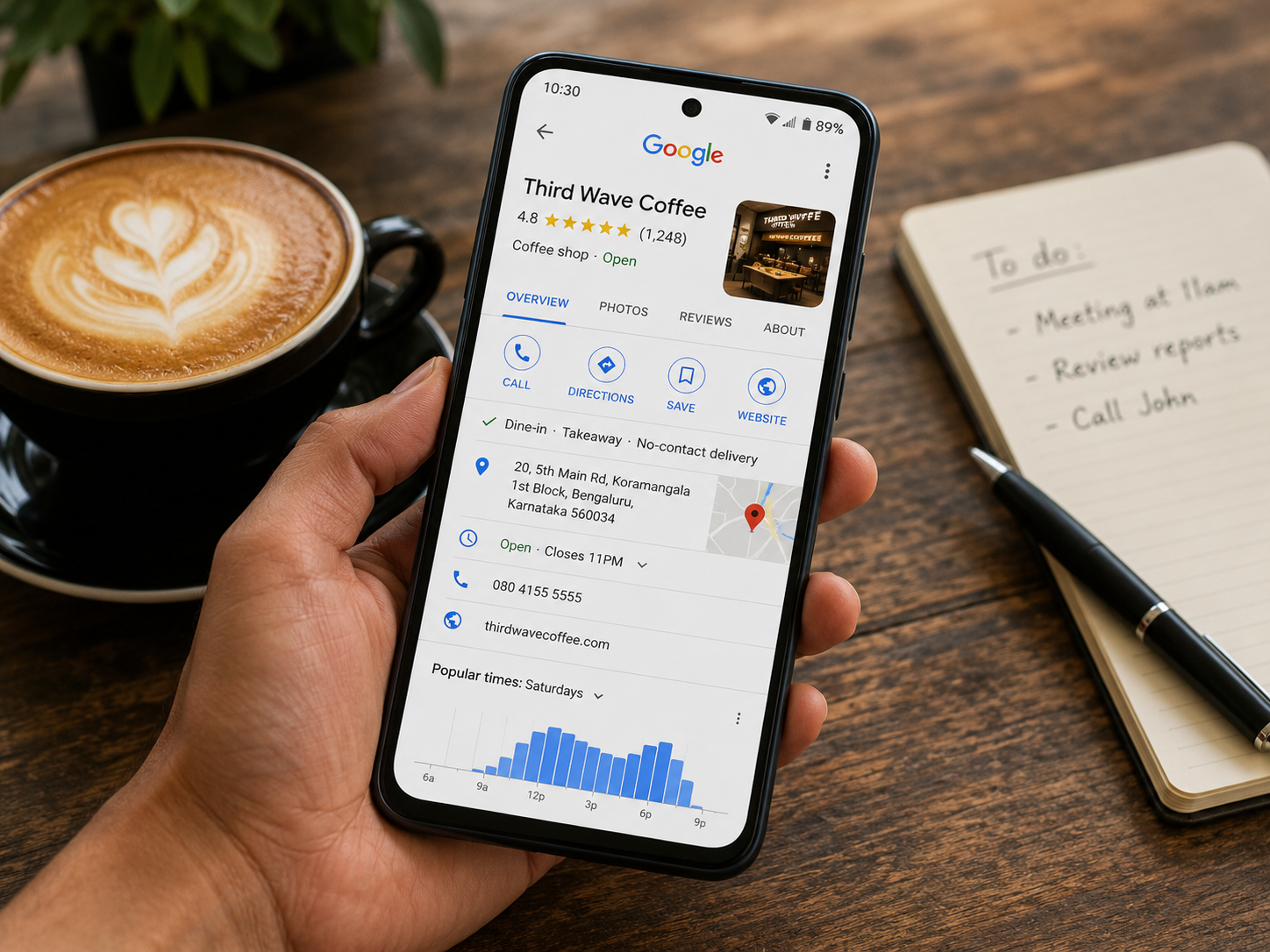
Your Google Business Profile is a crucial component of your local SEO strategy. Ensure all business information is accurate and up-to-date, including your business name, address, phone number, and operating hours. Add high-quality images to make your profile more appealing.
Conduct Local Keyword Research
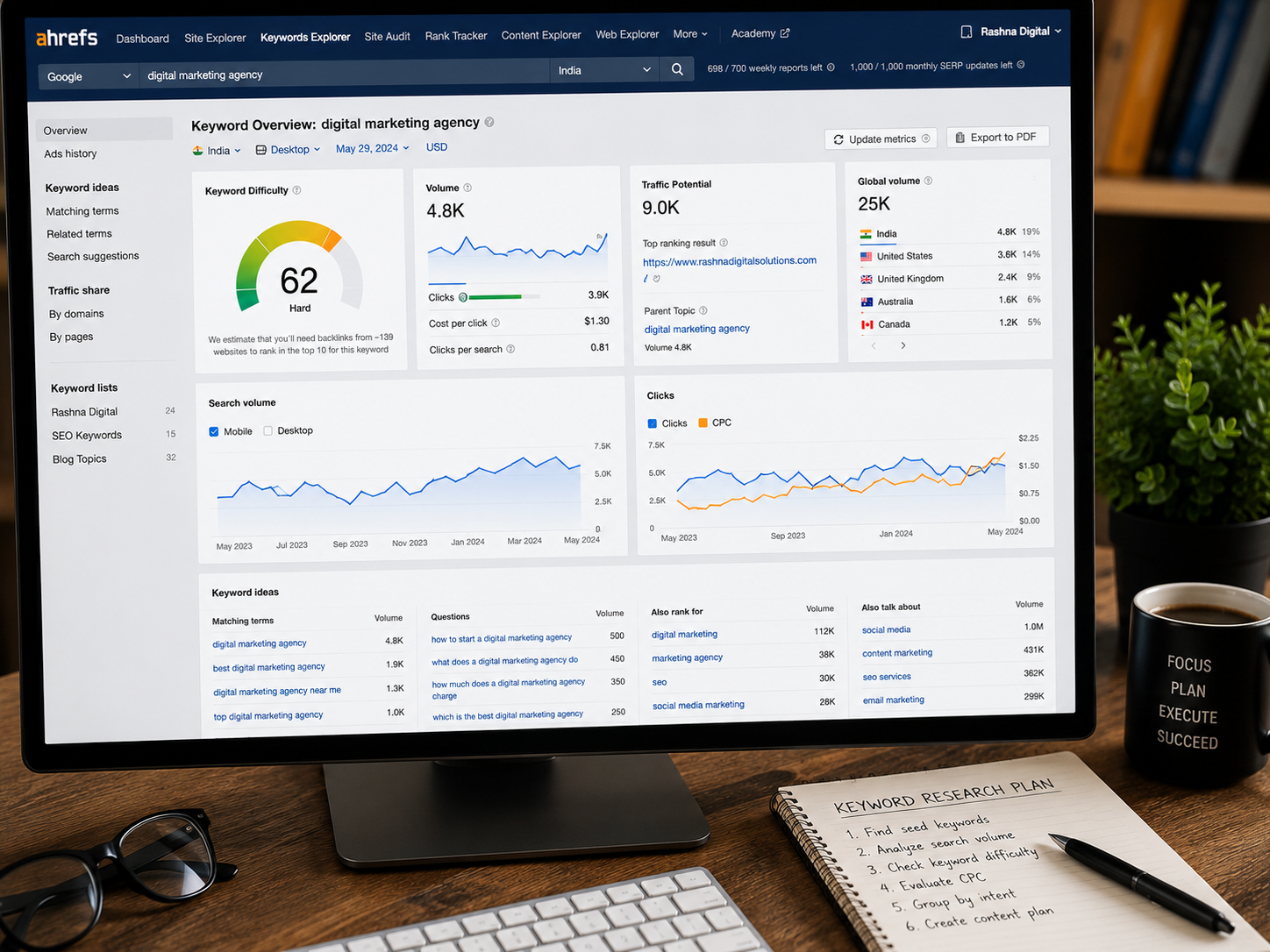
Identify high-volume, low-competition keywords relevant to your business and location. Use tools like Google's Keyword Planner or Ubersuggest to find keywords with local intent, such as "best coffee shop in [Your City]".
Using Long-Tail Keywords
Incorporate long-tail keywords into your content to capture more specific search queries. This approach can drive highly targeted traffic to your site.
On-Page SEO Optimizations
Optimize your website's on-page elements to enhance your local SEO performance. This includes:
- Title tags and Meta descriptions: Include your primary keywords and location.
- Header tags: Use H1, H2, and H3 tags effectively to structure your content.
- Local Content: Create blog posts or pages that focus on local events, news, or topics.
Get Listed on Online Directories
Ensure your business is listed on popular online directories such as Yelp, Yellow Pages, and Bing Places. Consistent NAP (Name, Address, Phone number) information across all platforms is essential for building trust with search engines.
Encourage Customer Reviews and Ratings
Positive reviews can significantly impact your local SEO. Encourage satisfied customers to leave reviews on platforms like Google and Yelp. Responding to reviews, both positive and negative, shows your commitment to customer satisfaction.
Utilize Social Media for Local Engagement
Social media can enhance your local SEO by driving more engagement and visibility. Share local news, events, and promotions through your social channels to connect with the community.

Local Link Building Strategies
Building backlinks from reputable local businesses or organizations can boost your local SEO. Partner with local bloggers or sponsor local events to gain valuable links.
Monitor and Analyze Your Local SEO Efforts
Regularly track your local SEO performance using tools like Google Analytics and Google Search Console. Monitor metrics such as website traffic, search rankings, and customer engagement to identify areas for improvement.
For more guidance on how to improve your local SEO, visit our services page or contact us directly.
Conclusion
By following this local SEO checklist, small businesses can enhance their online presence and attract more local customers. Consistent optimization and engagement are key to maintaining a strong local SEO strategy.