
Introduction
In an era dominated by digital advancements, small businesses must leverage AI tools to stay competitive and efficient. By 2026, AI technology will be even more integral to business operations. This blog post explores 15 essential AI tools that every small business should consider integrating into their operations.
Table of Contents
- AI-Powered Customer Service
- Marketing Automation
- AI Analytics
- Inventory Management
- Chatbots
- AI-Powered CRMs
- Content Creation
- Voice Assistants
- AI-Based Security Solutions
- Financial Forecasting
- AI-Enhanced HR Tools
- Project Management
- Visual Recognition Tools
- AI-Based SEO Tools
- Virtual Meeting Platforms
AI-Powered Customer Service
Utilizing AI in customer service can dramatically improve response times and customer satisfaction. Tools like Zendesk and Freshdesk employ machine learning to streamline customer interactions, making them faster and more efficient.
Marketing Automation
Marketing automation tools such as HubSpot and Marketo use AI to personalize marketing campaigns, segment audiences, and analyze data to boost conversion rates. This enables small businesses to compete with larger corporations on a level playing field.
AI Analytics
AI analytics tools like Tableau and Google Analytics provide insights into consumer behavior, helping businesses to make data-driven decisions. They use advanced algorithms to predict trends and optimize business strategies.
Inventory Management
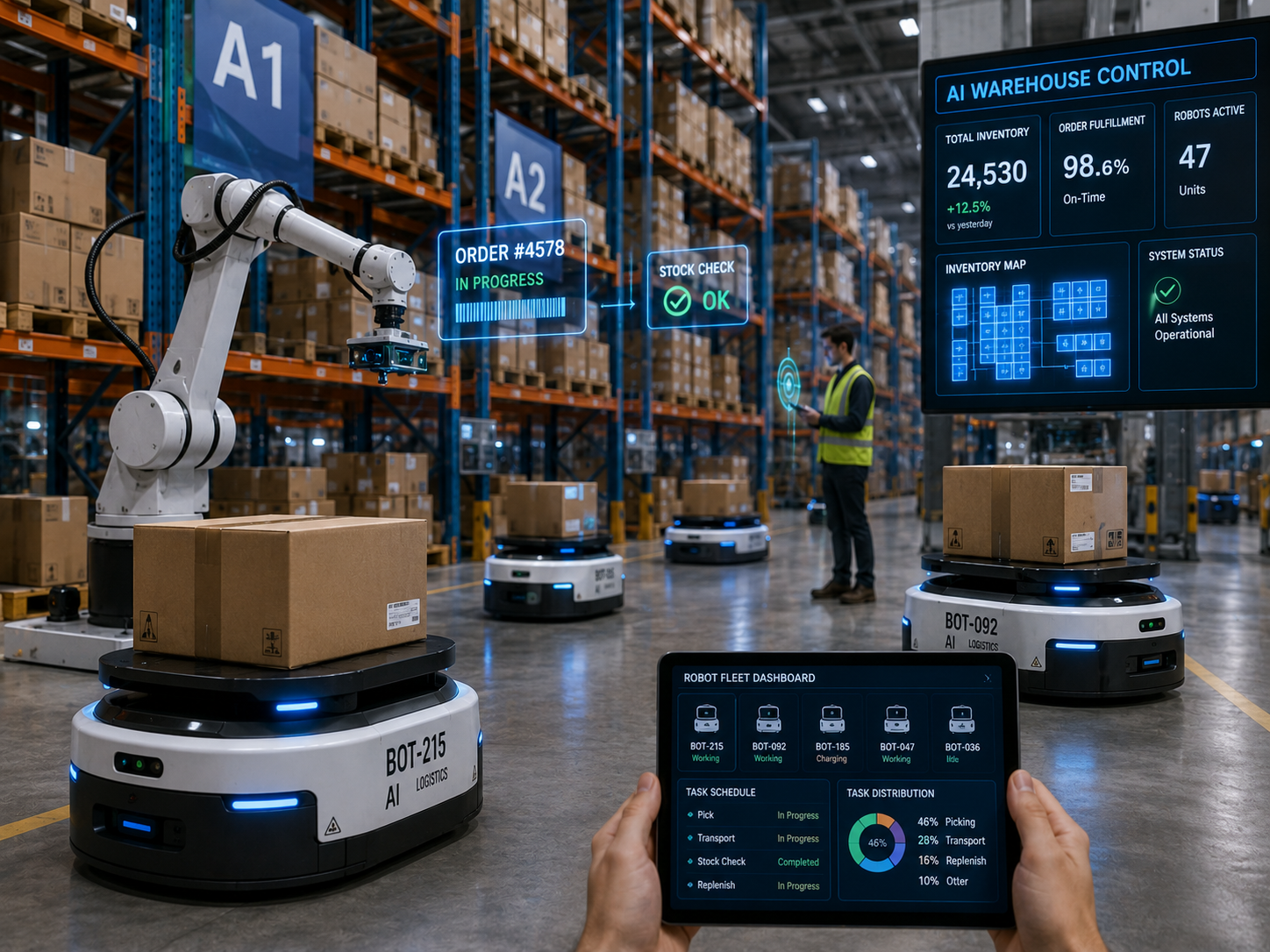
AI-based inventory management tools such as TradeGecko and Zoho Inventory help businesses maintain optimal stock levels, reducing overhead and waste. By analyzing sales patterns, these tools provide accurate forecasts.
Chatbots
Chatbots have revolutionized customer interactions. Tools like Drift and Intercom are becoming increasingly sophisticated, offering personalized support and freeing up human resources for more complex tasks.
AI-Powered CRMs
Customer Relationship Management (CRM) tools like Salesforce and Zoho CRM are integrating AI to provide predictive insights, improve customer retention, and enhance sales strategies.
Content Creation
AI tools like Jasper and Writesonic help businesses generate high-quality content at scale, which is crucial for maintaining an engaging online presence and effective SEO.
Voice Assistants
Voice assistants like Amazon Alexa and Google Assistant can streamline various business processes, from scheduling meetings to managing tasks, allowing for a more efficient workflow.
AI-Based Security Solutions
Security is paramount in the digital age. Tools such as Darktrace and Cylance use AI to detect and respond to threats in real time, safeguarding sensitive business data.
Financial Forecasting
Financial forecasting tools like QuickBooks and Xero employ AI to analyze financial data, providing businesses with accurate forecasts and insights into financial health.
AI-Enhanced HR Tools
HR tools such as BambooHR and Workday use AI to streamline recruitment, onboarding, and employee management, enhancing overall productivity and employee satisfaction.
Project Management
AI-driven project management tools like Asana and Trello help in planning, executing, and monitoring projects, ensuring timely completion and resource optimization.
Visual Recognition Tools
Tools like Clarifai and Google Vision use AI for visual recognition, aiding businesses in automating image recognition processes, which can be beneficial for e-commerce and inventory management.
AI-Based SEO Tools
SEO tools such as Moz and SEMrush harness AI to optimize search engine rankings, improve keyword targeting, and analyze competitor strategies, enhancing online visibility.
Virtual Meeting Platforms
Platforms like Zoom and Microsoft Teams are incorporating AI features to enhance video conferencing experiences, such as noise cancellation and real-time transcription, which are essential for remote work environments.
Conclusion
As we approach 2026, AI tools will continue to evolve and become indispensable assets for small businesses. By integrating these tools, businesses can enhance efficiency, improve customer experiences, and gain a competitive edge. For more information on how we can help implement these technologies, visit our services or contact us.
For further reading on the impact of AI on business, you can check resources on Forbes and Wikipedia.